
Chicago Masonry Restoration: Why the Right Mortar Ratio Is Critical
If you’re restoring historic Chicago masonry, choosing the wrong type of mortar can do more harm than good. In this article, we’ll discuss why mortar mix matters so much, the different types of mortar, and who to call to make sure your masonry restoration project is done right.
What Is Mortar?
Mortar is the bonding agent used in masonry construction to hold bricks, stones, or concrete blocks together. It’s typically made from a mixture of sand, water, and either cement or lime, and it can vary greatly both in quality and function. Depending on the type of building you’re repairing and its age, different mortar types are better suited for different jobs. The wrong mortar ratio can damage bricks, lead to early deterioration, and in extreme cases, compromise the structure of your wall. That’s why choosing the right type of mortar in the right ratio is so important.
How Masonry Construction Has Changed Over Time
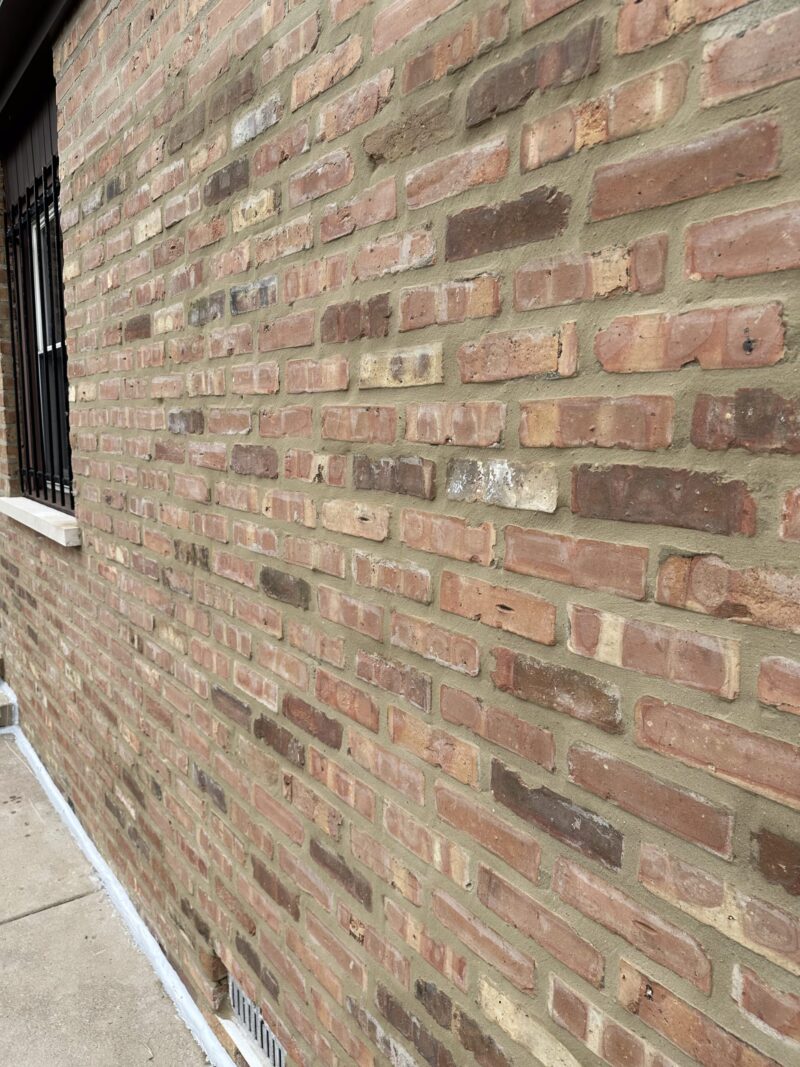
Chicago is known for its architecture. Older buildings, especially those built before the 1940s, were usually constructed with softer, more porous bricks and lime-based mortar. This type of masonry construction was designed to breathe, allowing moisture to escape through the mortar joints.
Newer buildings, on the other hand, now use harder, more durable bricks and cement-heavy mortar. This makes sense for modern structures, since the materials used to make them have also changed. However, if you apply modern mortar mixes to historic walls, you can end up causing a lot of damage, some of which might be irreversible. This is why choosing the right mortar type is so critical.
What are the Different Mortar Types?
Generally speaking, there are four common types of mortar used in masonry restoration. They are Type O Mortar Mix, Type N Mortar Mix, Type S Mortar Mix, and Type M Mortar Mix. Here, we’ll look at the differences between them.
Type O Mortar Mix
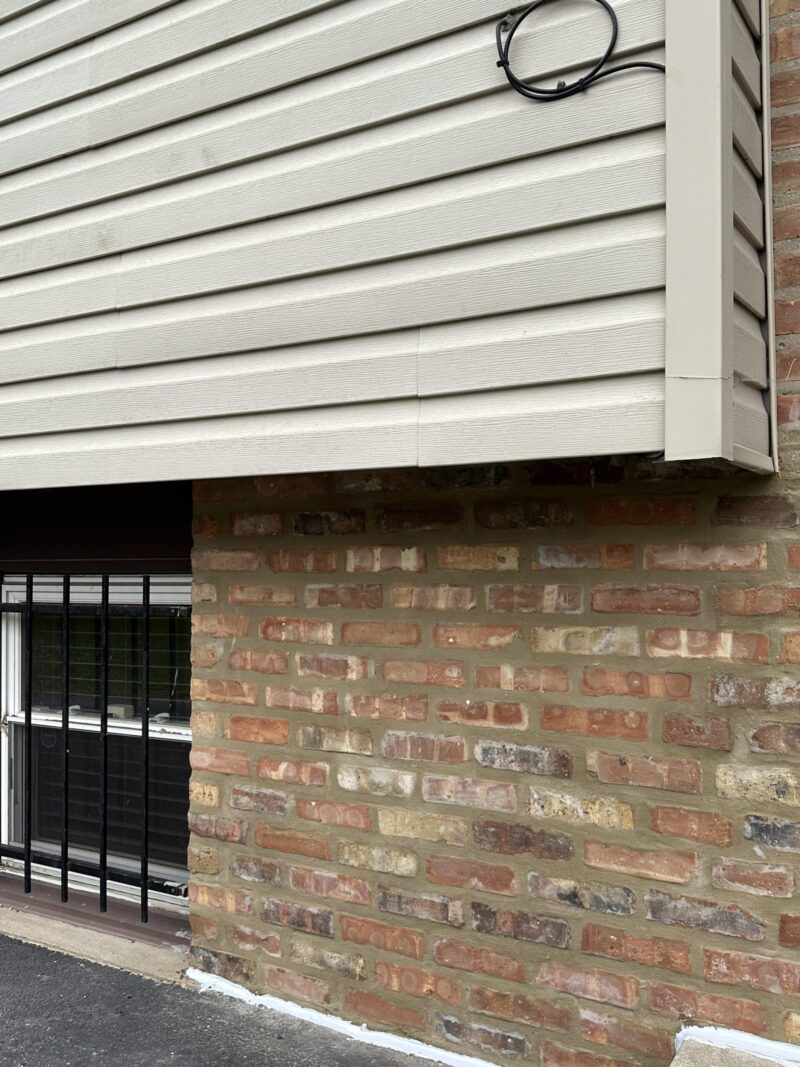
This type of mortar mix is low-strength and high-flexibility. It’s great for historic masonry.
Type N Mortar Mix
This style of mortar mix is considered medium strength. It’s most commonly used in general-purpose masonry work.
Type S Mortar Mix
This type of mix is high-strength. It’s best for structural work.
Type M Mortar Mix
Of all the mortar mixes, this has the very highest strength. It’s rarely used in restoration and is better for foundations or heavy load-bearing walls.
When Should You Use Type O Mortar Mix?
If you’re restoring a historic brick home or brownstone in Chicago, Type O mortar mix is usually the way to go. It has a low compressive strength (around 350 psi), which is ideal for historic buildings since it’s soft and flexible, just like the original lime mortar used back when older buildings were constructed. Type O mortar mix cushions the brick instead of overpowering it, so when the wall shifts or settles, as is common with older buildings, the mortar absorbs the stress. Additionally, if it cracks, it’s easy to repoint. The bricks themselves remain protected.
Using a harder mortar mix on soft bricks can cause brick spalling, which is where the face of the brick pops or flakes off due to moisture getting trapped. Once that happens, you will need to replace the brick entirely rather than simply repointing.
When Should You Use Type N Mortar Mix?
Type N mortar mix has a compressive strength of about 750 psi. It’s considered a general-purpose mortar and is commonly used in newer residential construction. Type N mortar mix is great for masonry that’s exposed to the elements but not bearing too much load. Usually, this includes elements like chimneys, exterior walls, and veneers. In Chicago, where freeze-thaw cycles are common, Type N will give you a balance of strength and flexibility for both modern homes and smaller buildings.
For restoration, it can sometimes be used if the original brick is strong enough to handle it. However, it’s important that you don’t assume Type N is safe for all projects. Older bricks may still require a gentler mortar like Type O.
When Should You Use Type S Mortar Mix?
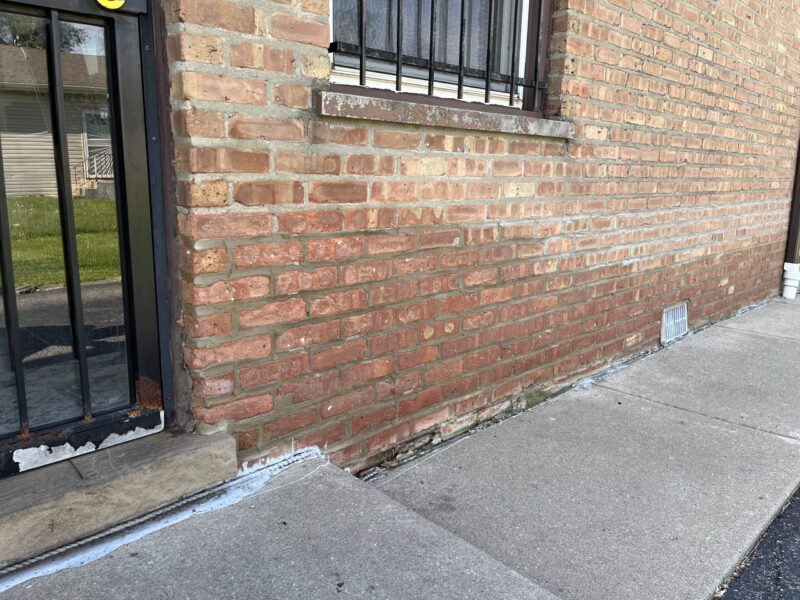
Type S mortar mix is much stronger than both Type O and Type N, with a compressive strength of about 1,800 psi. Builders use it in structural applications like foundations, retaining walls, and below-grade construction where moisture and pressure are a concern. Restoration experts typically avoid this type of mortar, especially in older brick structures, because it’s too hard and inflexible. If used in place of a softer mortar, it can possibly damage the surrounding bricks over time. The mortar becomes stronger than the masonry itself, which defeats the point. That said, if your restoration project involves rebuilding a retaining wall or fixing structural damage below ground, Type S could be the right choice.
Mortar Compatibility in Masonry Restoration
Whenever you restore a wall, you’re reviving a system that’s been working for years or, in the case of historic buildings, hundreds of years. For this reason, the new mortar has to work with the old materials. That means matching their compressive strength, permeability, and thermal expansion properties. Getting these things wrong can lead to trapped moisture, cracked bricks, or, in extreme cases, total failure of the wall. It’s for this reason that experienced masonry contractors in Chicago spend so much time analyzing the original mortar before starting restoration. A proper match will make sure your wall performs just like it was meant to, allowing moisture to evaporate and keeping everything structurally sound.
Signs of Bad Mortar Work
If you’ve ever seen a Chicago brick building with mismatched mortar patches or cracking joints, chances are someone used the wrong mortar type during repairs. Some signs of bad mortar work include mortar that’s harder than the surrounding bricks, mortar that’s pulling away or cracking along the joints, spalling or flaking bricks near newly repointed sections, and color differences that stand out against the original masonry. Fixing these issues can be expensive and time-consuming, which is why it’s so important to get it right the first time.
Jagra Masonry Restoration
DIY mortar repair might sound tempting, especially with all the YouTube tutorials out there that make it look easy. However, when you’re dealing with historic Chicago masonry, preserving your building’s structural integrity and making sure it stands for another hundred years should be the top priority. When you work with the experienced masonry contractors at Jagra Masonry, we’ll analyze your original mortar type and recommend the right mix for your project. We’ll also use the proper repointing techniques and match the color and texture of the original mortar to blend seamlessly with the repair work.

Learn More About Masonry Restoration in Chicago
With the right team, your building can stay strong and beautiful for years to come. If you’re ready to get started, contact Jagra Masonry today.